
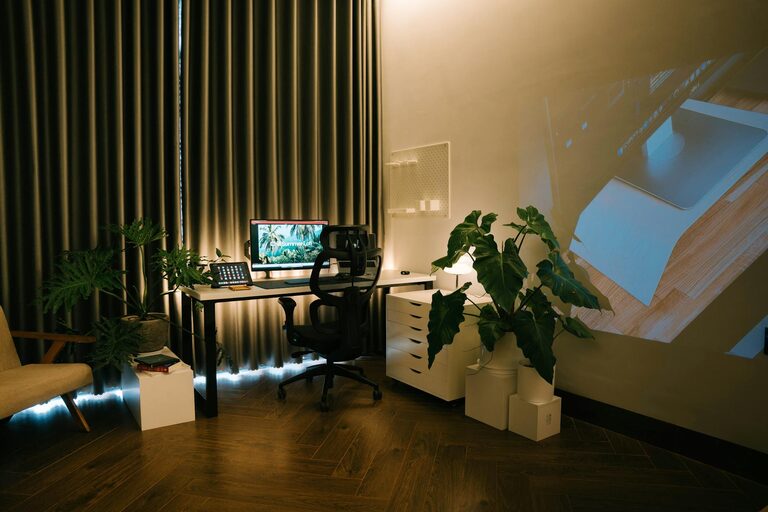
Creating a productive home office space is essential for anyone looking to work efficiently outside a traditional office environment. A well-organised and comfortable workspace can help improve focus, reduce stress, and even enhance your overall job satisfaction. Whether you are setting up a home office for the first time or looking to refresh your current setup, these tips will guide you in creating the perfect environment for productivity.
Choose the Right Location
Find a Quiet Spot
Selecting the ideal place for your home office is the first step. Look for a quiet area with minimal distractions where you can concentrate. This could be a spare room, a corner in your living room, or even a nook under the stairs. The key is to ensure it feels distinct from your usual living areas to help your brain switch into work mode.
Consider Natural Light
Natural light helps reduce eye strain and boosts mood. Position your desk near a window if possible, but avoid direct glare on your computer screen. If natural light is limited, invest in good-quality artificial lighting that mimics daylight to keep your workspace bright and inviting.
Invest in Ergonomic Furniture
Choose a Supportive Chair
Comfort is fundamental for productivity. Invest in an ergonomic office chair that supports your lower back and encourages good posture. Avoid sinking into sofas or dining chairs as they can cause discomfort and reduce focus over time.
Select a Suitable Desk
Your desk should be spacious enough to accommodate your computer, documents, and any other equipment you need. Adjustable desks that allow both sitting and standing positions can promote better health and productivity throughout your workday.
Organise Your Workspace
Declutter Regularly
Clutter can be distracting and reduce efficiency. Keep your desk tidy by organising essential items within reach and storing unnecessary ones away. Regularly clear out paperwork and digital files to maintain a clean, stress-free environment.
Use Storage Solutions
Utilise shelves, drawers, and filing cabinets to keep your supplies organised. Label storage boxes and folders to quickly locate your materials when needed, saving time and frustration.
Minimise Distractions
Set Boundaries
If you share your home with others, communicate your work schedule clearly to avoid interruptions. Consider using a sign on your door or wearing headphones as a signal that you need focus time.
Limit Digital Distractions
Turn off non-essential notifications on your computer and phone during work hours. Use apps or browser extensions to block distracting websites and keep your attention on tasks.
Personalise Your Space
Add Plants and Art
Incorporating elements like plants or artwork can create a calming atmosphere that reduces stress. Greenery improves air quality and adds a splash of colour, while art can inspire creativity.
Choose Soothing Colours
Neutral or soft colours often promote calm and concentration. Avoid overly bright or stimulating colours on your walls or decor unless they energise you personally.
Optimise Technology
Reliable Internet and Equipment
A fast and stable internet connection is crucial for remote work. Ensure your computer, printer, and other devices are reliable and up to date. Investing in quality technology saves time and prevents frustration.
Keep Cables Organised
Messy cables create noise and clutter. Use cable ties or clips to bundle wires neatly, maintaining a clean and safe workspace.
Establish a Routine
Set Working Hours
Assign specific work hours to create a sense of normality and balance. Starting and ending your day at consistent times helps separate work life from home life, improving focus during working periods.
Take Regular Breaks
Short breaks improve productivity and help avoid burnout. Stand up, stretch, or take a quick walk every hour to refresh your mind and body.
Final Thoughts
Creating a productive home office requires thoughtful planning and ongoing adjustment. By selecting the right location, investing in ergonomic furniture, organising your space effectively, minimising distractions, personalising your area, optimising technology, and maintaining a routine, you can foster a work environment that supports efficiency and well-being. With these steps, your home office can become a place where you accomplish your tasks comfortably and successfully.