
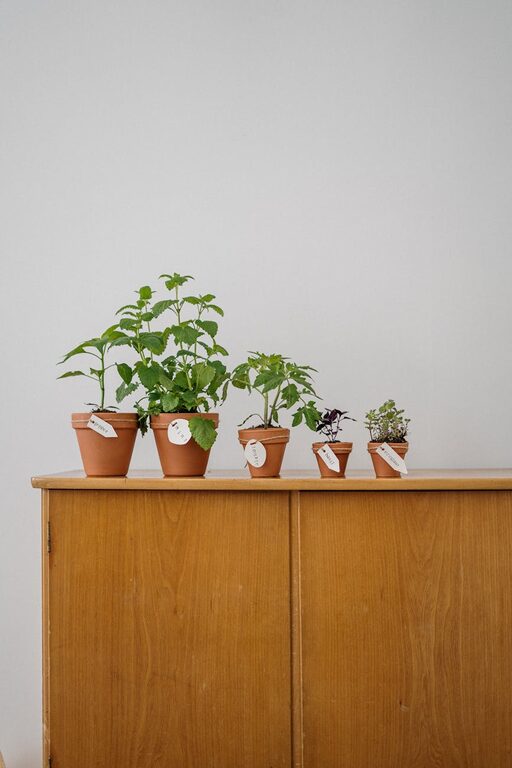
Starting a small herb garden at home is a rewarding and enjoyable way to bring fresh flavours to your cooking while adding a touch of greenery to your living space. Whether you have a spacious garden or just a small balcony, growing herbs can be simple and satisfying. This guide will provide helpful tips to get your herb garden started successfully.
Why Grow Your Own Herbs?
Growing herbs at home offers several benefits:
– Freshness: You can pick herbs just before use for optimal flavour.
– Cost-effective: Save money by not buying fresh herbs from the store.
– Convenience: Easy access to a variety of herbs whenever you want.
– Therapeutic: Gardening can reduce stress and improve wellbeing.
– Decor: Healthy plants brighten up your kitchen or outdoor space.
Choosing the Right Herbs for Your Garden
Not all herbs thrive equally well indoors or in small spaces. Here are some popular, easy-to-grow herbs suitable for beginners:
– Basil: Loves warm, sunny spots.
– Parsley: Grows well in partial shade and requires regular watering.
– Mint: Very hardy but can spread aggressively; best grown in pots.
– Chives: Tolerates varying light conditions and minimal maintenance.
– Thyme: Prefers well-drained soil and sunny locations.
– Rosemary: Needs good sunlight and less frequent watering.
– Coriander (cilantro): Requires cooler temperatures and moist soil.
Consider your climate, available space, and how often you cook with specific herbs when choosing which to grow.
Selecting a Suitable Location
Adequate sunlight is vital for herb growth. Most herbs prefer a spot that receives around 6 hours of sunlight daily.
– Indoor gardening: A sunny windowsill facing south or west is ideal.
– Outdoor gardening: South-facing balconies, patios, or garden beds usually get plenty of sun.
If natural light is limited indoors, consider using a small grow light to supplement.
Choosing Containers and Soil
When space is limited, containers are an excellent option:
– Select pots with drainage holes to prevent waterlogging.
– Use lightweight containers like plastic or terracotta for easy movement.
– Self-watering pots can help maintain consistent moisture levels.
For soil, use a high-quality potting mix designed for herbs or vegetables. Avoid heavy garden soil; it may retain too much water and compact easily.
Planting Your Herb Garden
You can start your herb garden from seeds or buy small plants (seedlings):
– Seeds: More economical and offer a greater variety, but take longer to establish.
– Seedlings: Provide quicker results and easier care for beginners.
Follow the instructions on seed packets or plant labels for planting depth and spacing. Gently pat soil around plants, ensuring roots have good contact with the soil.
Watering and Feeding Your Herbs
Herbs generally prefer evenly moist soil but dislike sitting in water.
– Water your herbs when the top inch of soil feels dry.
– Use room temperature water to avoid shocking the plant roots.
– Feed your herbs with a balanced liquid fertiliser every 4–6 weeks during the growing season.
– Avoid over-fertilising, as this can reduce flavour intensity.
Caring for Your Herb Garden
Routine care is essential:
– Pruning: Regularly trim herbs like basil and mint to encourage bushy growth and prevent flowering, which can change flavour.
– Pest control: Inspect plants for pests such as aphids or spider mites and treat naturally with insecticidal soap or neem oil if needed.
– Air circulation: Ensure good airflow around plants to reduce disease risk.
Harvesting Your Herbs
Harvest your herbs regularly to promote new growth:
– Pick leaves in the morning after the dew has dried for best flavour.
– Use sharp scissors or garden snips to avoid damaging plants.
– Avoid removing more than one-third of the plant at a time to keep herbs healthy.
Common Challenges and How to Overcome Them
– Overwatering: Leaves may turn yellow and roots rot; let soil dry between watering.
– Insufficient light: Plants may become leggy or pale; move to a sunnier spot or use grow lights.
– Pests and diseases: Maintain garden hygiene and treat promptly with natural methods.
Benefits of Growing Herbs Year-Round
Indoors, many herbs can grow throughout the year with the right conditions. This means fresh herbs at your fingertips even in winter. Consider growing some herbs permanently indoors and rotating others seasonally.
Final Thoughts
Starting a small herb garden at home is a delightful and practical project. With a bit of planning, the right location, and regular care, you’ll enjoy fresh, aromatic herbs that enhance your meals and living space. Don’t be afraid to experiment and find what works best for you – gardening is as much about the journey as the harvest! Happy gardening!